
What Is Alopecia and What Treatment Options Are Available Today?
KorinMi Clinic
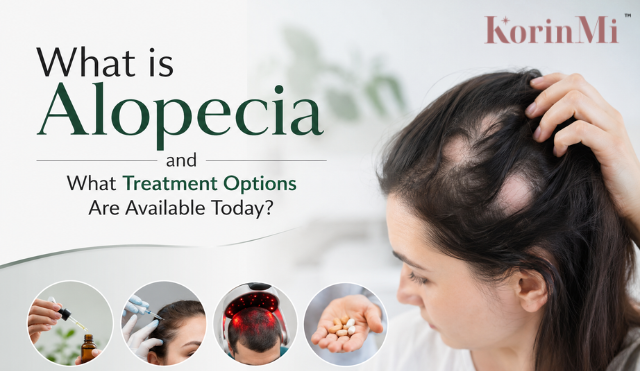
Alopecia areata is an uncommon hair loss condition with no major symptoms. It is like a bald patch on the head where you see sudden hair loss.
Naturally, panic sets in.
Being a rare disease, there are some common myths about this scalp condition, like “alopecia areata is contagious”, “caused by bacteria”, “hair loss is always permanent”, “it is an early sign of cancer”.
But none of these are true.
There are various modern alopecia treatments available that help with hair regrowth. So, let’s understand what alopecia is, the real causes, and which treatments offer the best results.
What Is Alopecia?
Let’s understand how science evaluates alopecia.
Alopecia Areata is a medical term for an autoimmune disease. In this, your body's immune cells attack the body’s hair follicles, causing partial or complete hair loss from the scalp or other parts of the body. Most of the time, individuals experience small circular bald patches. In severe cases, hair loss may affect eyebrows, beard, eyelashes, or the entire body.
Unlike temporary hair shedding that is caused by seasonal changes, alopecia often appears suddenly.
But remember that it is an umbrella term covering several different conditions.
Why Does It Happen? Alopecia Causes
One of the biggest misconceptions is that alopecia can occur only due to genetic causes. True, but there are many other factors, both inside and outside our body, that can cause hair loss.
Autoimmune Attack
Alopecia areata results from an abnormal response by the immune system. The white blood cells (T cells) mistakenly turn against your own hair follicles. The severe inflammation stops hair growth, resulting in sudden round patches & often appear almost overnight.
Genetics
Hereditary hair loss is still the most common cause of alopecia, especially in older men and women, more than 30 years old. Hereditary alopecia always progresses slowly and gets worse without proper treatment.
Hormonal Changes
In some cases, pregnancy, menopause, thyroid disorders, and conditions like PCOS often affect hormone levels. These can lead to noticeable hair thinning or bald patches.
Stress & Lifestyle
Chronic emotional stress, poor sleep, crash dieting, severe smoking, and unhealthy lifestyle habits accelerate hair fall in people who are already genetically susceptible.
Medical Treatment
Medical treatments are another major alopecia cause. Chemotherapy, radiation therapy, certain medications, and scalp infections can also trigger long-term or temporary alopecia.
Alopecia Symptoms You Should Never Ignore
Even though most of the time, individuals notice visible bald patches overnight, it rarely follows the same pattern in everyone. Some people also notice gradual thinning over months.
Here are the common alopecia symptoms:
- Sudden round or oval bald patches
- Gradual thinning on the scalp
- Excessive hair shedding while combing or washing
- Receding hairline
- Widening parting in women
- Hair loss on eyebrows or beard
- Scalp itching, redness, or tenderness in certain conditions
Delay in understanding the symptoms and visiting a specialist can reduce the effectiveness of certain treatment options. So, understand the type of alopecia you have and get treatments accordingly for effective hair regrowth.
Types of Alopecia
1. Androgenetic Alopecia
This is one of the worst forms of hair loss. While men typically develop a receding hairline and thinning crown, women usually experience diffuse thinning across the scalp without complete baldness.
This condition progresses slowly & responds well to early intervention.
2. Alopecia Areata
This autoimmune condition causes smooth, circular bald patches that appear almost overnight. Most of the time, hair regrows automatically but can recur if not treated medically.
3. Telogen Effluvium
This type usually develops due to physical stress, illness, childbirth, surgery, or emotional trauma. In this condition, large amounts of hair enter the resting phase together, leading to widespread shedding after two to three months.
Thankfully, once the underlying cause is addressed, it is reversible.
4. Traction Alopecia
Repeated wearing of tight styles like braids, ponytails, buns, and hair extensions will cause continuous stress to hair follicles.
If it is detected early, then the hair can be recovered. But prolonged traction might lead to permanent damage to the hair follicles.
5. Scarring Alopecia
Unlike any other form, scarring alopecia causes permanent damage to hair follicles by way of inflammation or autoimmune disease.
Early diagnosis is vital, as the emphasis of treatment is on stopping hair loss and not reviving the damaged hair follicle.
Best Alopecia Treatment Options Available Today
The best treatment for alopecia depends entirely on the underlying cause. So, there is no universal solution for everyone.
Exosome Therapy
Among the latest advances in regenerative medicine, an alopecia program with Exosome therapy is emerging as one of the most promising treatments. It is a non-surgical treatment.
Exosomes are microscopic extracellular vesicles that carry powerful biological signals like growth factors, proteins, and genetic materials. They improve communication between cells, reducing inflammation and stimulating dormant hair follicles.
Hair Transplant Surgery
If the hair follicles are permanently lost, transplantation can be the most effective long-term solution.
Professionals carefully transplant healthy follicles from donor areas into thinning regions, producing naturally-looking results.
But in general, surgery should be carried out only when hair loss is controlled.
Prescribed Medications
If your alopecia is detected in the early stage & the impact is minor, prescribed medications can be the front-line treatment.
Depending on the alopecia type & specific diagnosis, dermatologists recommend topical solutions, oral medications, corticosteroids, or immunotherapy to slow hair loss and stimulate regrowth.
But no matter which treatment for alopecia the specialist suggests, treatment consistency is the key.
Can Alopecia Be Prevented?
Not every type of alopecia can be prevented, especially those that are related to hereditary factors and autoimmune diseases.
But there are some ways that you can adopt in order to minimize your risks of getting hair loss, which include adopting a healthy lifestyle through proper diet, stress management, and avoiding the use of chemicals on your hair and scalp.
Adopting healthy practices will not stop genetic hair loss, but they can definitely contribute to keeping healthier hair.
Treat Your Alopecia Permanently!
Hair loss makes a big impact on your appearance, often affecting confidence, social interactions, and emotional well-being.
Whether it is a genetic, hormonal, autoimmune, or lifestyle-related issue, instead of guesswork, always get the right diagnosis. The sooner you act, the better your chances of healthy regrowth.
Talk to the professionals at KorinMi & treat your alopecia permanently.
Frequently Asked Questions (FAQs)
What is alopecia?
Alopecia refers to a medical situation whereby there is partial or total loss of hair from either the scalp or any other part of the body. This may be caused by genetics, autoimmune conditions, hormonal changes, medication, or illnesses.
What are the different types of alopecia?
Alopecia includes several kinds such as androgenetic alopecia (male and female pattern hair loss), alopecia areata, telogen effluvium, traction alopecia, anagen effluvium, and scarring (cicatricial) alopecia. The different types have different causes and require different treatments.
What causes alopecia in men and women?
The common causes for alopecia can be genetics, hormonal issues, autoimmune disorders, thyroid dysfunction, malnutrition, stress, skin infections of the scalp, and some medicines. This depends on the type of alopecia.
Is alopecia permanent or temporary?
It will depend on the type of alopecia. Hair loss conditions such as telogen effluvium are typically transient and can be easily treated once the underlying cause is treated. But other hair loss problems such as androgenic alopecia are permanent.
How is alopecia diagnosed by a dermatologist?
Alopecia is diagnosed by a dermatologist using a medical history, hair loss pattern analysis, dermoscopy, and blood tests or scalp biopsy (if needed). It is important to know what caused alopecia to recommend the most effective alopecia treatment.
Does alopecia treatment work for alopecia areata?
Yes. There are many individuals who have been found to have an excellent response rate to treatment options like corticosteroids, immunotherapy, PRP, and other dermatological interventions. Since this is an autoimmune disease, treatment involves regulating immune function and hair growth.
Can hair regrow after alopecia?
Of course. Hair can regrow in many cases, especially when the underlying cause is detected & treated early. The chances of regrowth depend on the type of alopecia and the extent of follicle damage.
How long does alopecia treatment take to show results?
Most alopecia treatment requires sufficient time, from 2 to 3 months. However, visible hair growth takes around 3 to 6 months, depending on the damage & treatment consistency.
When should I see a doctor for hair loss?
You need to consult with a professional dermatologist when you see sudden bald patches, rapid thinning, or excessive daily shedding. Early diagnosis can improve the chances of successful treatment and helps prevent further hair loss.
Related Post

Hairfall Solution: Causes, Prevention & the Best Treatments for Stronger, Healthier Hair
Admin
You notice a few strands of hair on your hairbrush. Then a little more in the shower, and a few weeks later, your pillow looks like you had the worst nightmare.
read more
What Is a Korean Hair Perm? How Does It Work?
Admin
You spend hours curling your hair. But the moment you step out into the Indian humidity, every wave disappears by lunchtime.
read more
Why KorinMi Clinic is the Smart Choice for Laser Hair Removal in Gurgaon (and Your Brows!)
Admin
KorinMi Clinic now offers the most reliable laser removal treatment in Gurgaon, backed by dermatological expertise, precision tools, and customer-first service.
read more