
Hairfall Solution: Causes, Prevention & the Best Treatments for Stronger, Healthier Hair
KorinMi Clinic
You notice a few strands of hair on your hairbrush. Then a little more in the shower, and a few weeks later, your pillow looks like you had the worst nightmare.
And for some people, this is not just a seasonal story, but a never-ending horror that lasts year-round.
So, before you try a new shampoo or watch another miracle hair growth video, learn the hidden causes behind your hairfall and then seek a solution with real results. Only the right diagnosis and personalized hairfall solution can reduce excessive hair shedding, promoting healthier regrowth.
Keep on reading till the end!
Why Hairfall Happens (Root Causes)
Research says that losing around 50 to 100 strands of hair a day is completely normal. Because hair naturally goes through a cycle
Growth → Rest → Shedding
The concern begins when hair falls faster than your scalp can replace it with new hairs. This is when your hair starts looking thinner, parting becomes wider, and your ponytail feels noticeably smaller.
Here are the root causes that trigger excessive hairfall (remember, more than one cause often exists at the same time):
Genetics
Hair loss that runs in your family could mean that there is a genetic disposition towards developing androgenetic alopecia, which is also commonly called pattern hair loss. While genes are out of your control, early treatment like the Korean Anti-Hair Loss Program can help tremendously.
Hormonal Changes
One of the major reasons for hair fall in women is hormonal imbalance. The phases of pregnancy, childbirth, menopause, thyroid diseases, and PCOS/PMOS could cause hair fall due to changes in the hair growth cycle.
Hair loss in men is also caused by hormonal factors because of sensitivity to DHT.
Nutritional Deficiencies
Healthy hair requires protein, iron, zinc, biotin, vitamin D, and many more nutrients.
A crash diet, poor nutrition, gastrointestinal conditions, or lack of certain nutrients may result in shedding despite being a perfectly healthy individual.
Stress and Lifestyle
Stress, lack of good sleep, work schedules that put strain on an individual, as well as illnesses, may affect more hair follicles entering the shedding stage.
Individuals often experience sudden hair loss several months after experiencing a stressful event, thus making it hard to associate the two factors.
Scalp Conditions
An unhealthy scalp creates an unhealthy environment for hair growth.
Dandruff, fungal infections, psoriasis, excess oil production, inflammation, and product buildup can weaken hair roots over time. A Korean Anti-Dandruff Program deeply cleanses the scalp, reduces inflammation & controls dandruff, creating a healthier environment for stronger hair growth.
Heat, Chemicals & Excessive Styling
Frequent coloring, bleaching, straightening, tight hairstyles, and excessive heat styling gradually damage the hair shaft, making hair weaker and more prone to breakage.
Hairfall vs Hair Breakage: Are They the Same?
One of the biggest and most common mistakes people make is treating hair breakage as hairfall. And most importantly, the hairfall solution for both is different as well.
If you notice a white bulb attached to the fattest strand, the hair has shed from the root. If the strand snaps midway, it is likely breakage caused by damaged hair.
How to Stop Hair Fall
In case you have just experienced hair loss in recent times, then adopting some simple lifestyle changes can help your hair grow.
You should try to ensure that your diet contains adequate amounts of protein, iron-rich foods, seasonal fruits and veggies, and fats.
While these habits support healthy hair, they may not be enough if the underlying cause is hormonal, genetic, or medical.
Best Hairfall Solution That Actually Works
There is no universal hairfall solution for men and women that works for everyone.
The best hairfall solution depends entirely on what’s causing your hair loss. That’s why professional diagnoses matter much more than choosing products only based on online reviews.
Scalp Analysis
The first thing you need to do is assess your scalp problem.
The analysis of your scalp will help determine the presence of inflammation, follicles, oil production, hair density, and the start of baldness that may not be easily noticed.
This way, dermatologists or experts can prescribe an appropriate treatment for your problem.
PRP Hair Treatment
The Platelet Rich Plasma therapy is one of the most effective solutions that uses your own growth factors to invigorate damaged hair follicles.
This procedure is highly advised for people who suffer from premature hair thinning and can aid in increasing hair density.
GFC Hair Treatment
Growth Factor Concentrate (GFC) is among the latest solutions for regenerative hair loss treatment.
It provides a very concentrated amount of growth factors, which promote follicle health, reduce hair fall, and promote healthy hair growth with no downtime.
Medical Hair Fall Treatment
Depending on the diagnosis, dermatologists may prescribe medicines, supplements, or suitable treatments to stop the falling of hair loss and promote hair growth.
But the treatment plan needs to be personalized rather than based on someone else’s experience.
When Should You Visit a Hair Specialist?
Not everyone needs to visit a specialists immediately noticeable hairfall starts. You should consider consulting with a specialist if:
- Hairfall continues for more than six to eight weeks.
- You are losing significantly more hair than usual.
- Your hairline is receding.
- You notice bald patches or thinning areas.
- Hairfall is accompanied by itching, redness, dandruff, or scalp pain.
- Home remedies haven't shown improvement.
Healthy Hair Begins with the Right Diagnosis
You can rarely get strong, healthy hair by chasing viral products. Understanding what is happening beneath the surface that causes excessive hairfall is the only permanent hairfall solution.
Whether your hairfall is caused by stress, hormonal imbalance, genetics, or poor nutrition, KorinMi helps you identify the root causes and then comes up with a customized treatment recommendation. From advanced diagnostic techniques to regenerative hair therapies, our goal is not just to reduce hair fall. But to help you regain fuller-looking hair with confidence.
Book your consultation with KorinMi today and let our experts create a personalized hair restoration plan tailored to your hair, scalp, and lifestyle.
Frequently Asked Questions (FAQs)
What is the best hairfall solution?
The best treatment method for your hair loss will depend on the actual cause. What works for one person may not work for another. A professional assessment and diagnosis will be helpful in determining the best possible treatment to take.
What causes excessive hair fall?
Hair fall could be caused by genetic predispositions, hormonal issues, stress, poor nutrition, thyroid disease, scalp problems such as dandruff, some drugs, and too much exposure to heat and chemicals. Finding out the real cause is important for proper treatment.
How can I stop hair fall naturally?
You can minimize hair fall by consuming a well-balanced and high-protein diet, managing stress, ensuring adequate sleep, staying hydrated, and using mild chemicals and heat styling techniques on your hair. Persistent hair fall must be consulted with a hair expert.
Can dandruff cause hair fall?
Yes, indeed. The problem of severe dandruff and scalp irritation is one that can lead to weak hair follicles and more hair falling out. Treatment of dandruff and keeping the scalp healthy can lead to less hair loss.
Which hair fall treatment is the most effective?
There is no such treatment that will work for everybody. The most suitable hair fall remedy would vary depending upon the reason and might involve drugs, PRP therapy, GFC therapy, mesotherapy, vitamins, or other specialized treatments suggested by a dermatologist.
When should I consult a hair specialist for hair fall?
A visit to the hair expert is recommended if you are having hair fall for more than six to eight weeks, there are bald spots, or the problem persists even after trying out some home-based or OTC treatments.
Is hair fall reversible?
Yes, in most cases. Hair fall that is due to factors such as stress, lack of nutrients, hormones, or some scalp disorders can be restored if detected early enough and treated effectively. However, if you leave it undiagnosed, genetic hair loss might progress.
Which vitamin deficiency causes hair fall?
The deficiency of vitamin D, vitamin B12, biotin, iron, zinc, and folate is often linked with hair loss. The blood test may be advised by the doctor to identify and treat nutritional deficiencies.
How long does it take to see results from a hair fall treatment?
People start noticing a decrease in their hair fall between 6 and 12 weeks, and it usually takes 3 to 6 months for any change in hair thickness and growth to become noticeable. It depends upon the factors leading to hair loss.
What is the difference between temporary hair fall and permanent hair loss?
Short-term hair fall may be brought about by issues like stress, sickness, hormonal imbalance, or poor nutrition, and tends to go away once the root cause is sorted out. On the other hand, long-term hair loss can result from genetic reasons and involves hair follicle damage, which needs immediate treatment.
Related Post
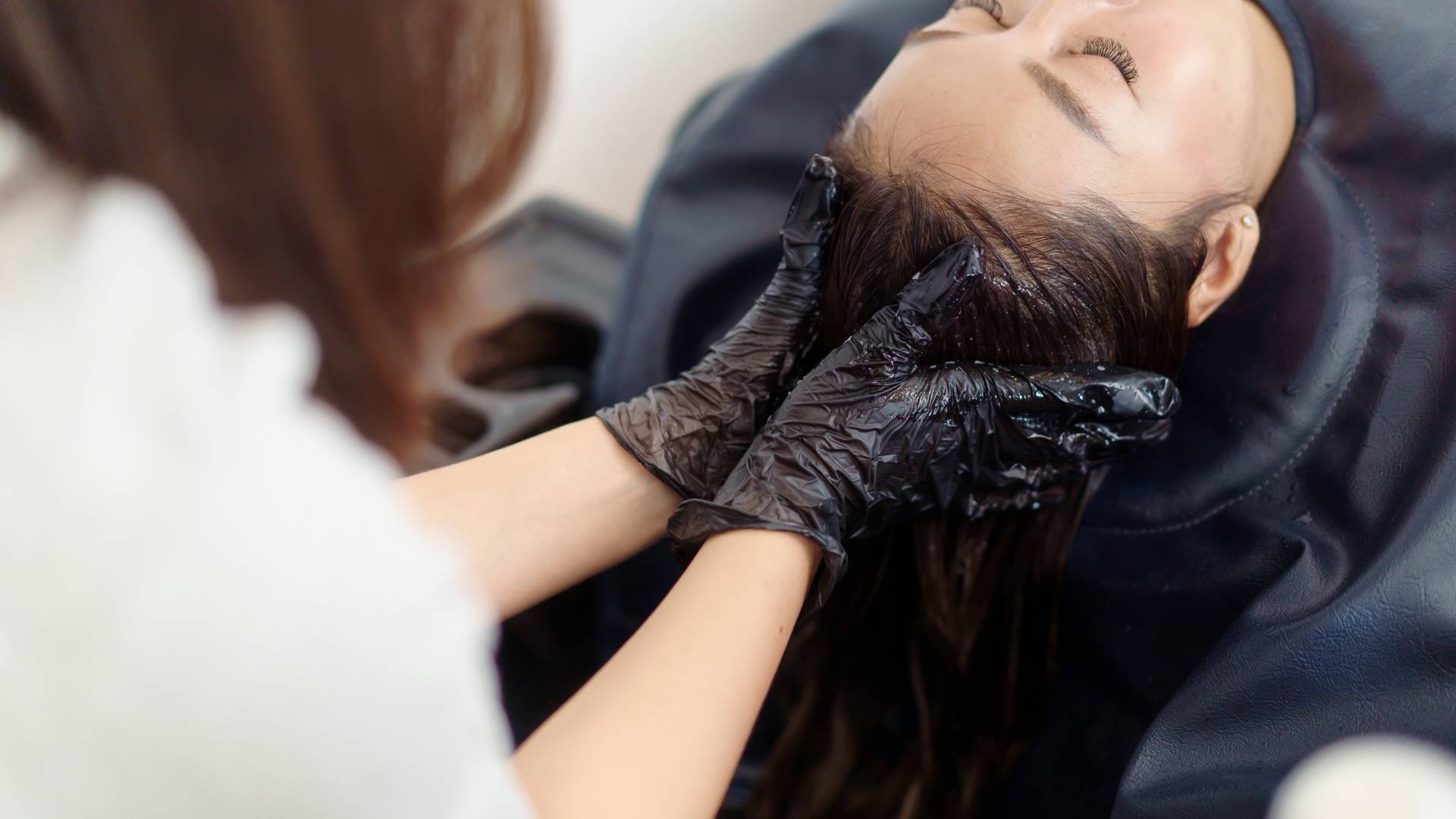
Korean Hair Treatments at KorinMi – Redefining Hair Care in Gurgaon
Admin
KorinMi knows how important your hair is, just like your skin. With our modern Korean hair care products, we bring together the latest from Korean science with methods approved by skin doctors.
read more
Scalp Cleanse: Why a Healthy Scalp Is the Key to Strong Hair?
Admin
Have you ever wondered why your expensive shampoos, serums, and hair masks don’t seem to make much difference?
read more
Korean Hair Spa vs Traditional Hair Spa: What's Different?
Admin
We book a hair spa expecting softer, healthier, and bouncy looking hairs. But in reality?
read more